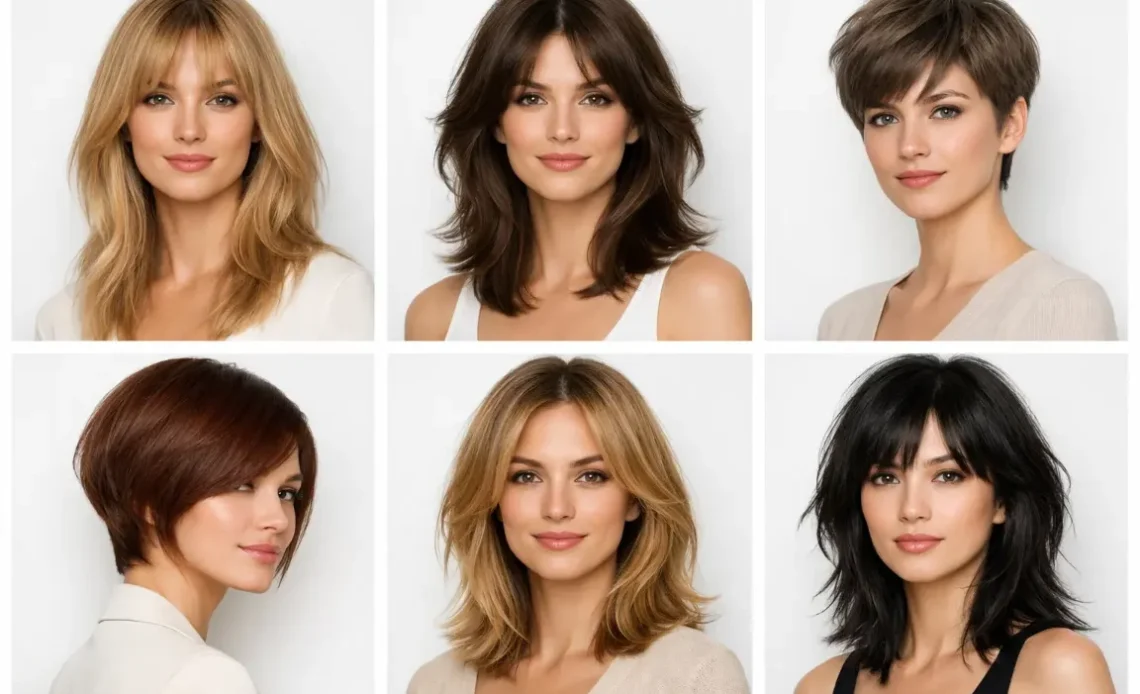
Fine hair can look soft and beautiful, but it often lacks volume and shape after a few hours. That is why choosing the right layered haircut matters so much. A good layered style can make thin fine hair appear fuller, lighter, and easier to manage without needing too much styling every morning. The key is finding layers that add movement without removing too much density from the ends.
In this guide, you will find layered haircut ideas that work well for different hair lengths, face shapes, and styling routines. Whether you prefer a short bob, soft shoulder-length layers, or longer flowing cuts, these hairstyles are designed to give thin fine hair a more balanced and naturally fuller look.
14 Stylish Ideas for Thin Fine Hair Layered Haircuts 2026
1. The Layered Bob with a Lifted Side Part
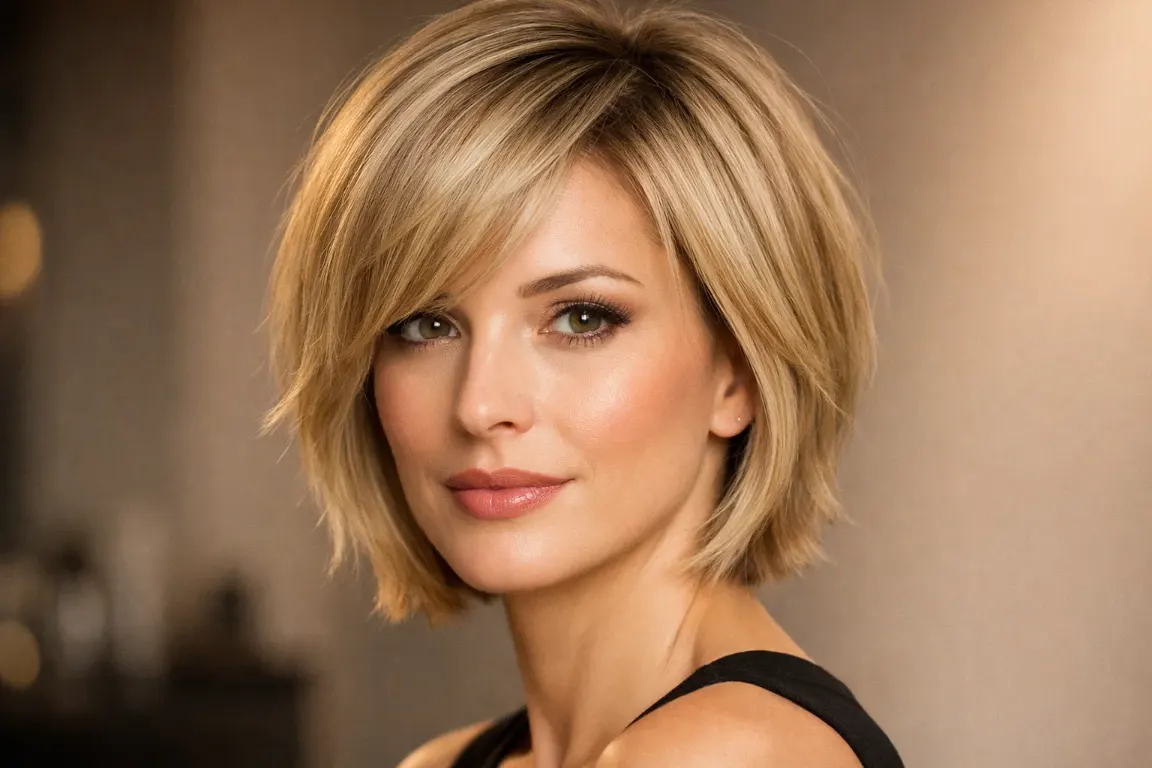
The layered bob remains one of the most reliable cuts for fine hair, and the 2026 version lifts it further with a side part that creates immediate root volume. The subtle separation at the crown fakes fullness without requiring any heat tools. Strategic, lightweight layers prevent the cut from looking heavy while keeping enough density at the ends to create the illusion of thickness.
2. The Textured Lob at Collarbone Length
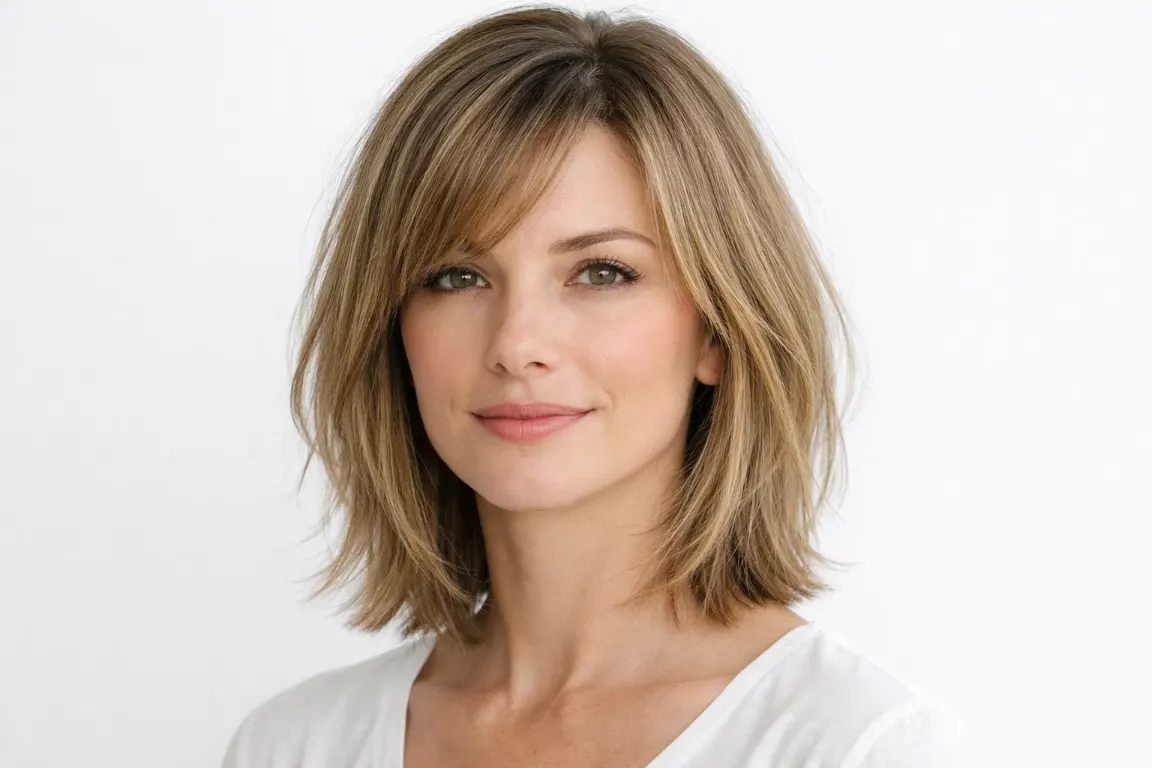
A collarbone-length cut with light, airy layers adds just enough movement to fine or medium-density hair without weighing it down. The feathery texture at the ends keeps the style soft and full of bounce, which is particularly flattering on oval or heart-shaped faces. This is the go-to option for anyone who wants shape without giving up too much length.
Best For:
- Thin straight hair
- Fine hair needing extra volume
- Low-maintenance daily styling
- Oval and round face shapes
Maintenance Level:
Easy
3. Soft Curtain Bangs with Face-Framing Layers
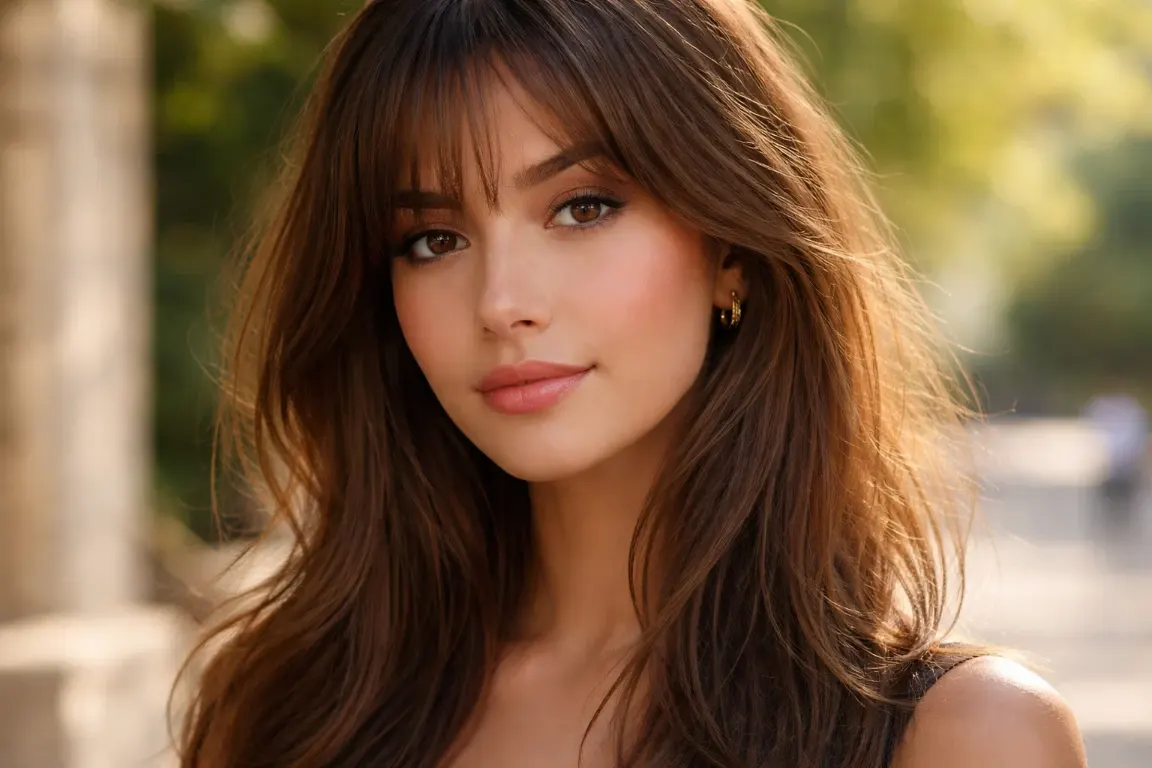
Curtain bangs swoop softly around the eyes and blend into layers around the cheeks, adding width around the face and framing features in a way that reads as youthful and effortless without a full fringe. For fine hair, this combination distributes weight intelligently and lifts the crown area naturally.
Quick Guide: Best Layered Haircuts for Thin Fine Hair
| Haircut Style | Best For | Maintenance Level | Main Benefit |
|---|---|---|---|
| Layered Bob | Thin straight hair | Easy | Makes hair look fuller |
| Butterfly Layers | Medium to long hair | Medium | Adds soft movement |
| Wispy Layers | Fine soft hair | Easy | Keeps natural lightweight look |
| Shoulder-Length Layers | Everyday styling | Easy | Creates balanced volume |
| Textured Lob | Thin flat hair | Medium | Adds texture and shape |
| Face-Framing Layers | Oval and round faces | Easy | Softens facial features |
4. The Butterfly Cut for Fine Wavy Hair
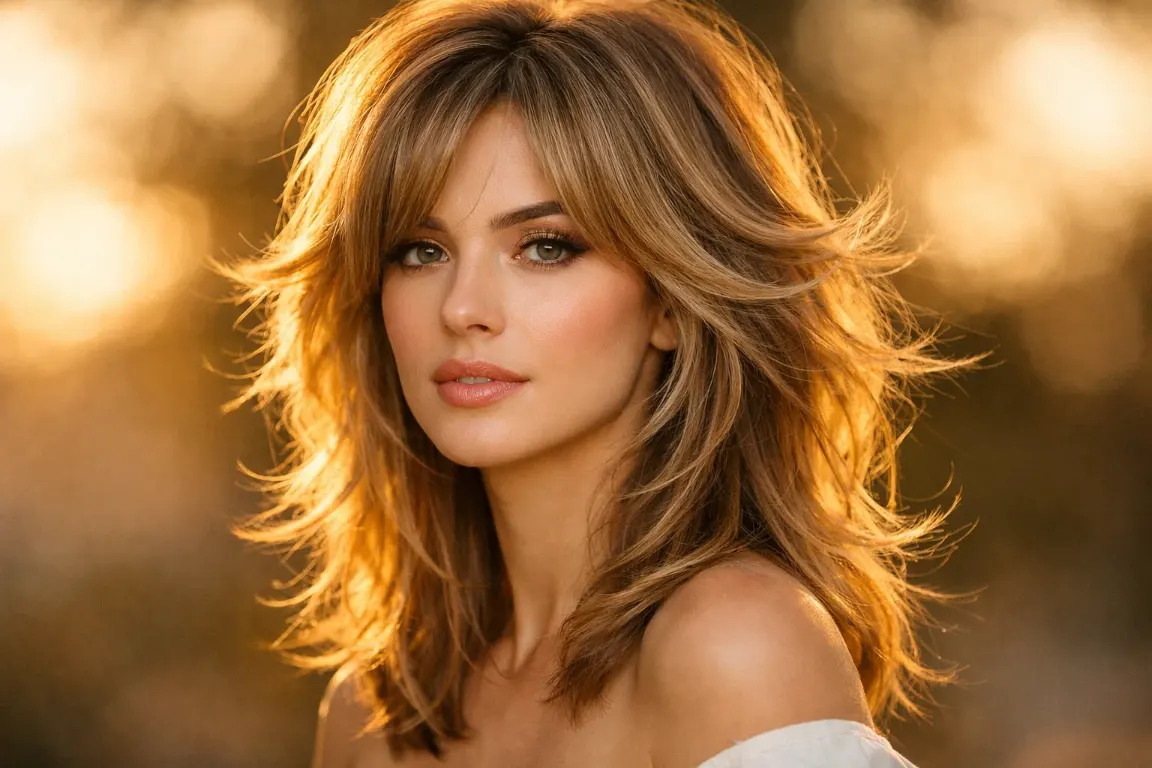
The butterfly cut creates a soft, lifted shape using short layers near the face and longer ones beneath for a floaty, full effect. It works especially well for finer hair with a natural wave or bend, delivering movement without losing perimeter thickness, and it flatters oval and longer face shapes beautifully.
5. Long Feathered Layers
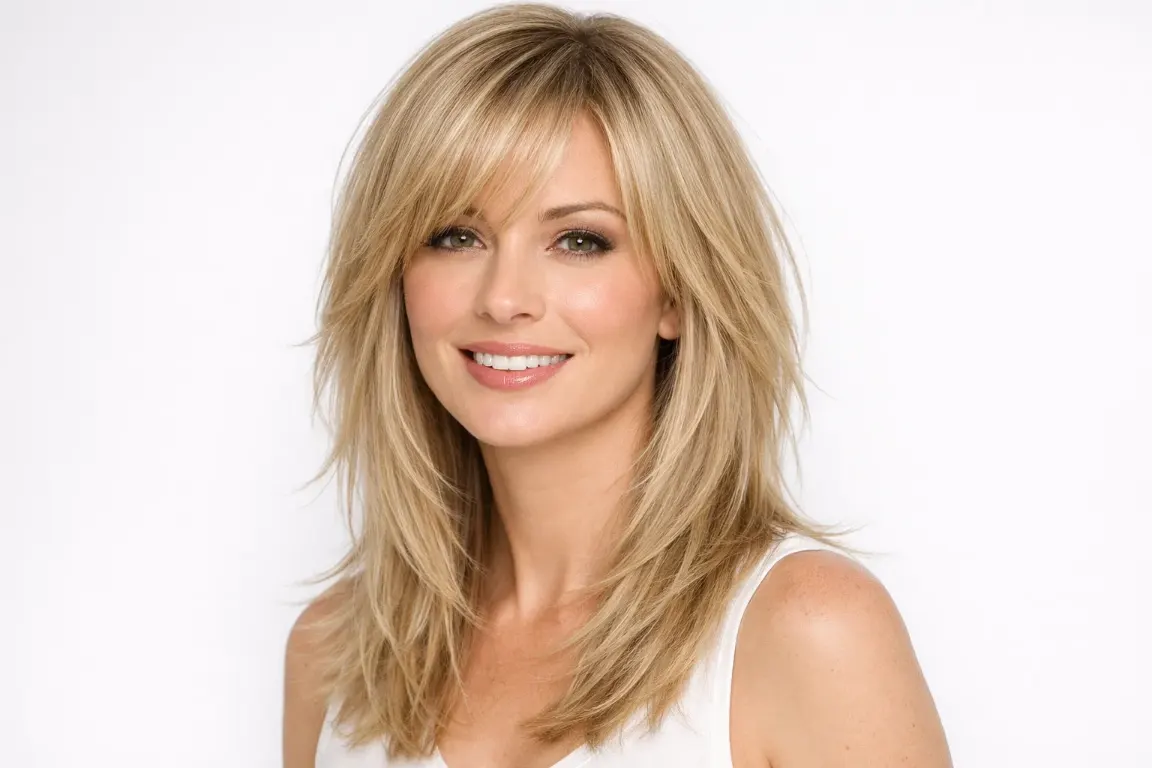
Long hair and fine texture can absolutely coexist. The key is feathered layering that begins at the mid-shaft and travels toward the ends, creating separation and airiness without stripping density from the crown. Barely-there feathered ends can make thin hair look noticeably fuller, and gentle face-framing layers add softness around the cheeks.
6. The Shoulder-Length Shag
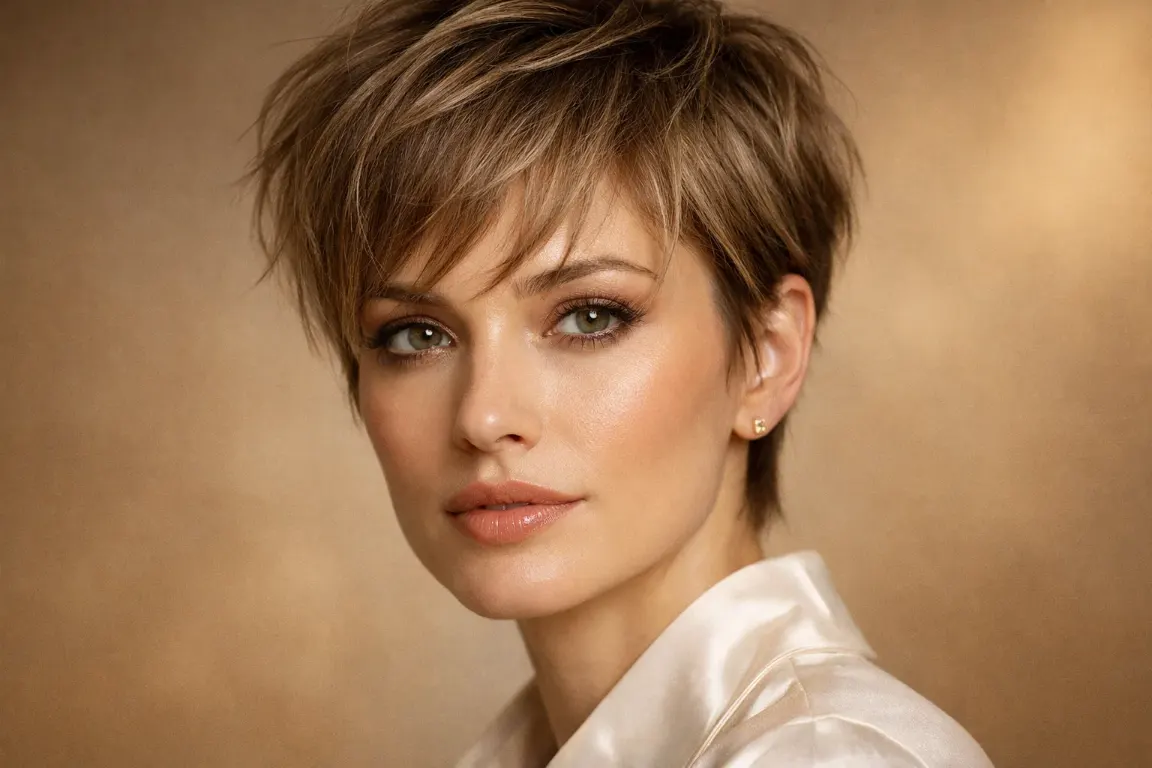
The shag has evolved considerably for 2026. Rather than heavy, choppy layers, the modern shag for fine hair uses softer internal layering to break up flat sections and encourage natural texture. Blending a shaggy cut with shorter lengths offers effortless volume and a relaxed, rock-chic vibe, as the layers work well to break up fine hair and create natural texture.
you may also like this: 13 Stunning Ideas for Short Layered Haircuts 2026 You’ll Love
7. The Blunt Lob with Internal Movement
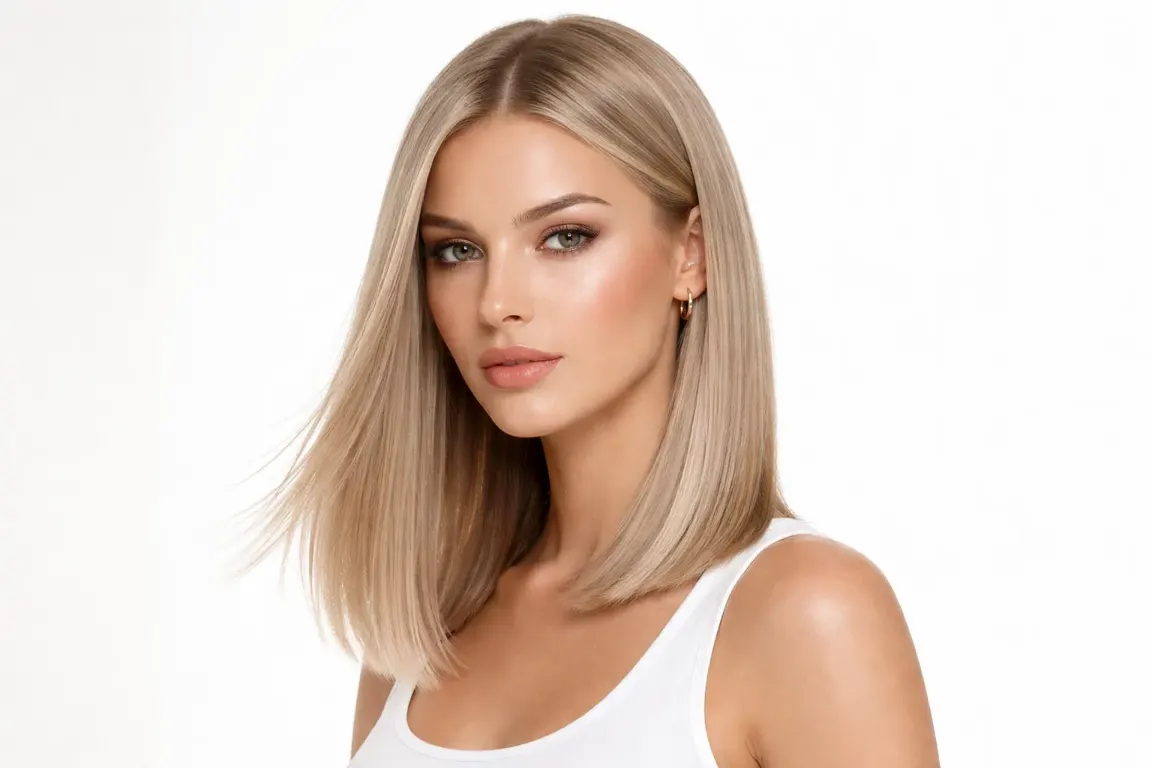
A blunt lob looks deceptively simple, but when a skilled stylist cuts movement into the interior without touching the perimeter weight line, it creates the appearance of a fuller, denser style. A blunt lob that grazes just past the shoulders adds instant density to straight, finer hair types and provides a crisp, polished finish.
8. The Soft Pixie with Crown Length
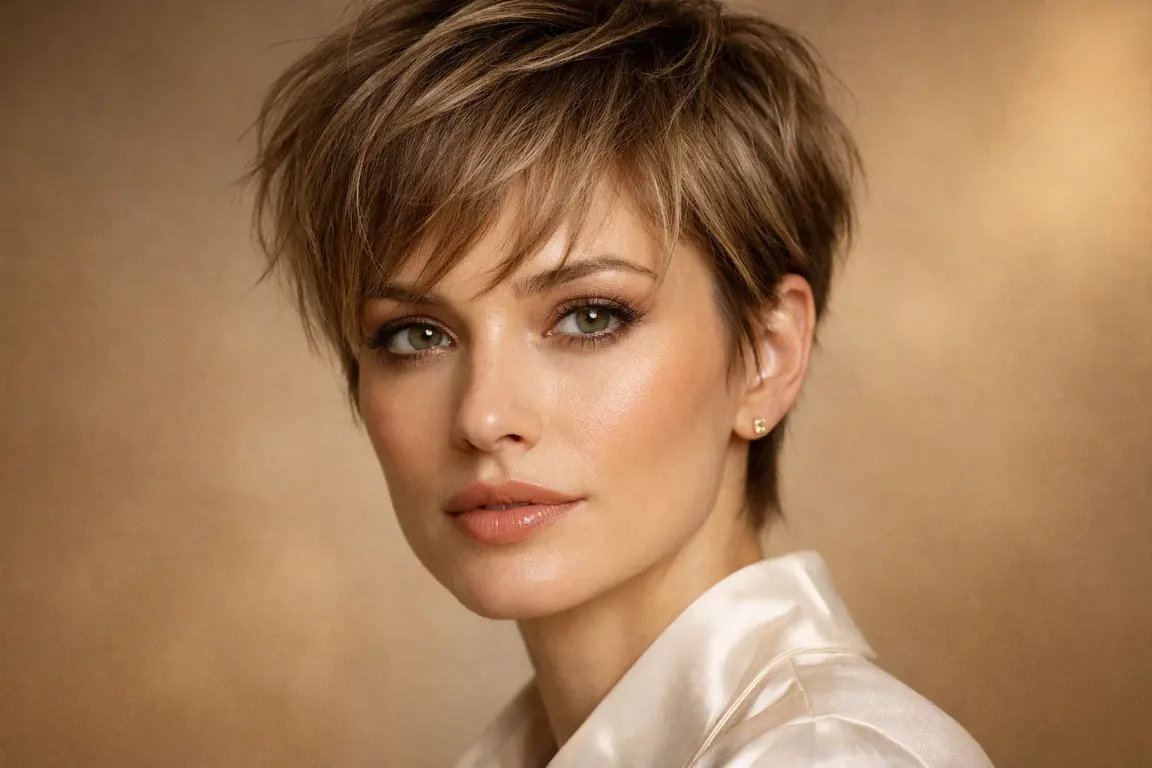
For those willing to go shorter, the soft pixie is one of the most volume-forward cuts available for fine hair. A soft pixie with a bit of extra length at the top and front gives fine hair built-in lift and shape, keeping enough length to create volume at the crown and movement through the fringe, resulting in an airy, modern, and flattering look.
9. Mid-Length Cut with Graduated Layers
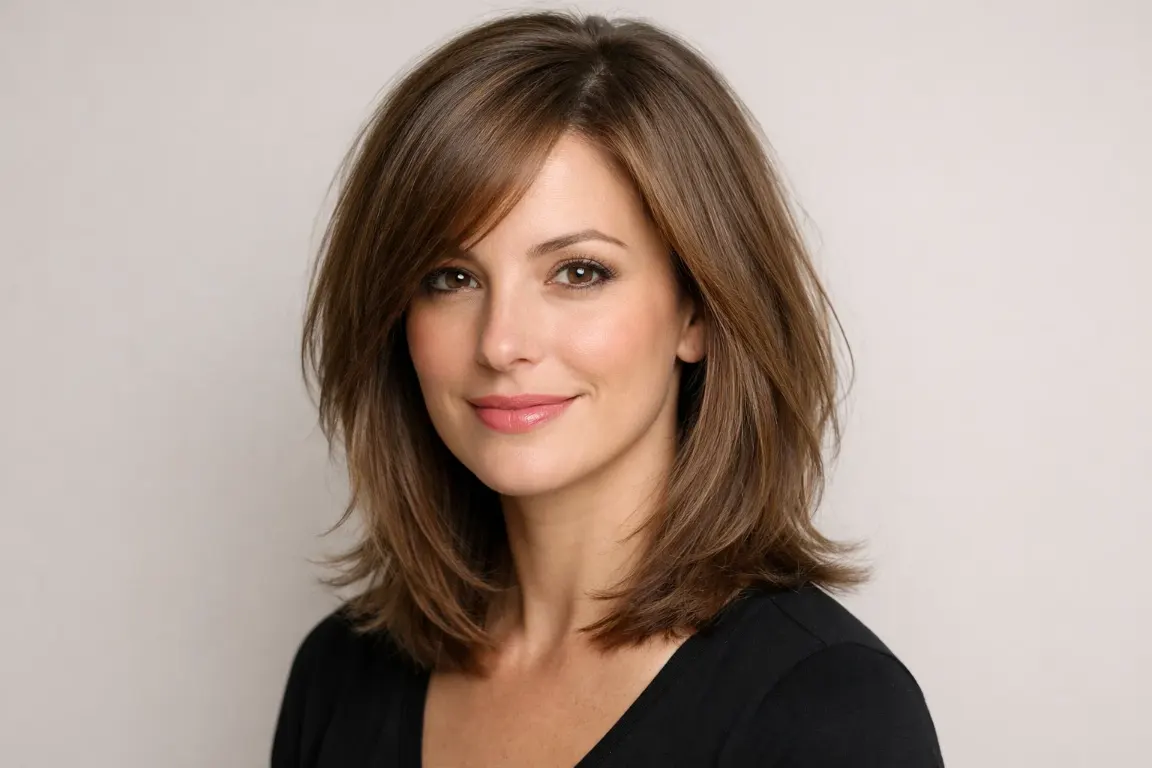
A mid-length cut that falls around the collarbone or above the shoulder is often the sweet spot for fine hair. It is long enough to feel versatile but short enough to prevent strands from looking weighed down. Adding soft layers throughout the mid-lengths allows for natural movement and bounce, which helps flat hair appear thicker and more voluminous.
10. Wispy Fringe with Flipped Ends
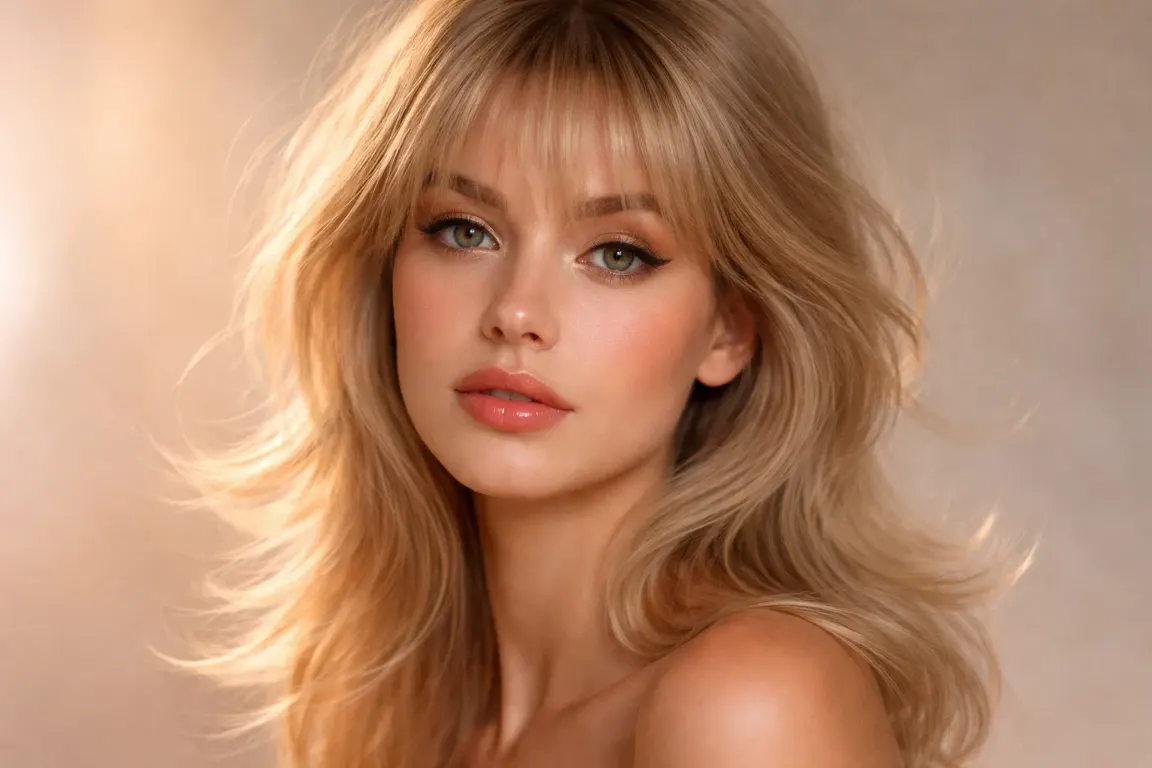
Wispy fringe and lightly flipped-out ends give a playful structure that makes this style a standout for fine hair that often falls flat. The length and layering keep it airy yet full around the face, and the flipped ends add a subtle retro quality that feels fresh in 2026.
11. The Stacked Angled Bob
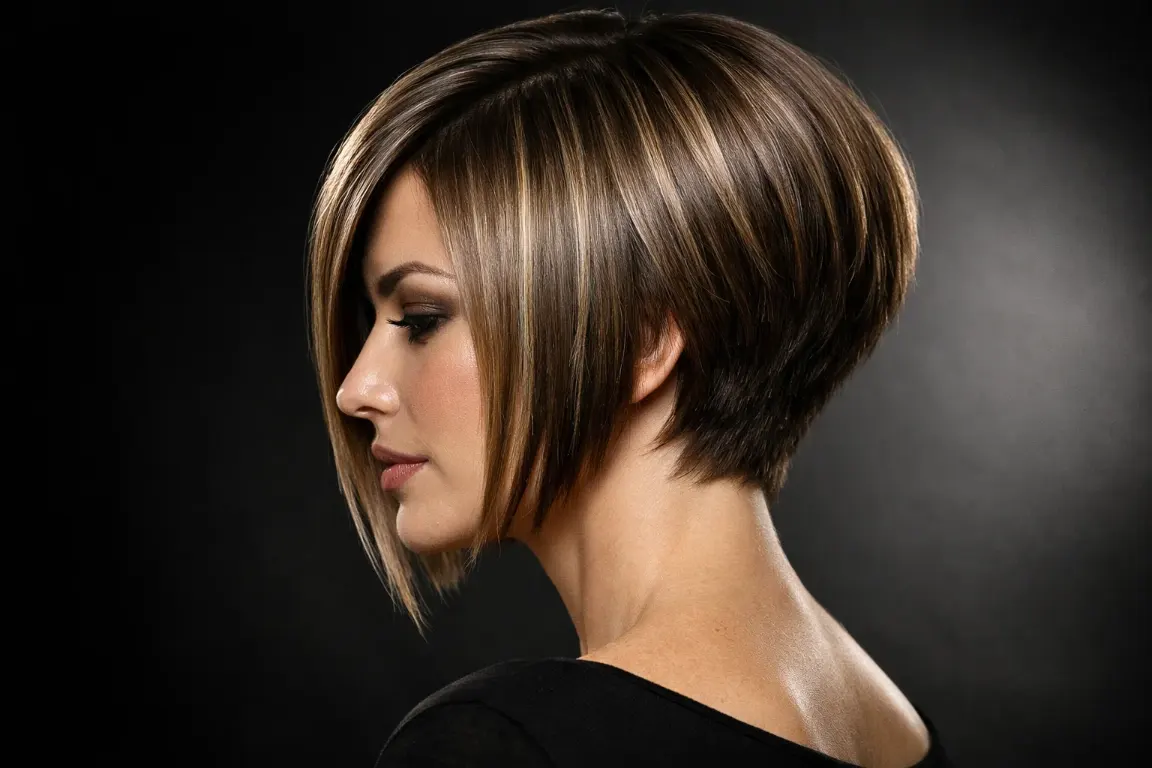
A sleek, angled bob uses stacked layers in the back for lift and shape, while the longer front elongates the face beautifully. For fine hair, the stacking at the nape builds the illusion of density exactly where the hair tends to look most sparse, while the front length keeps the overall silhouette graceful.
12. Undone Texture with Braided Waves
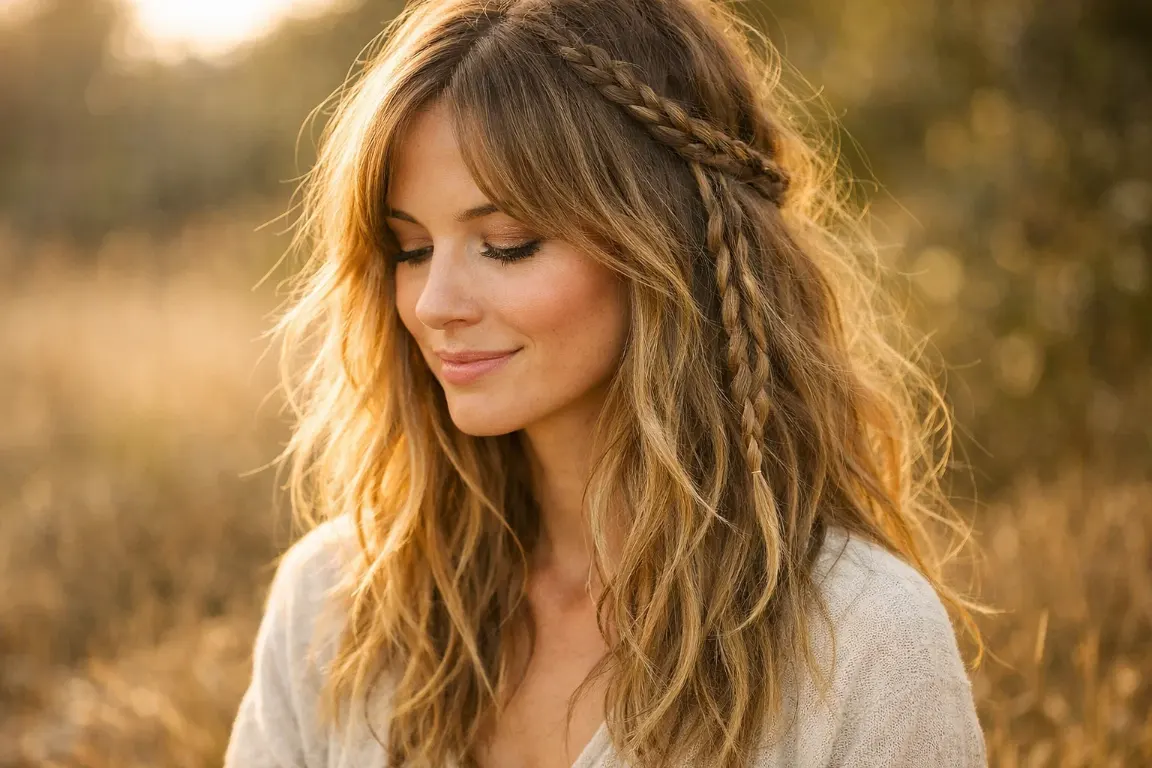
Sometimes the best style for fine hair is the most relaxed one. For naturally fine hair, adding a lightweight primer to damp hair and braiding four to six large sections creates, once dry, natural added texture without using any heat, resulting in a look full of movement and body that feels entirely natural and is far easier to maintain than a highly sculpted cut.
13. Face-Framing Layers with Balayage Color
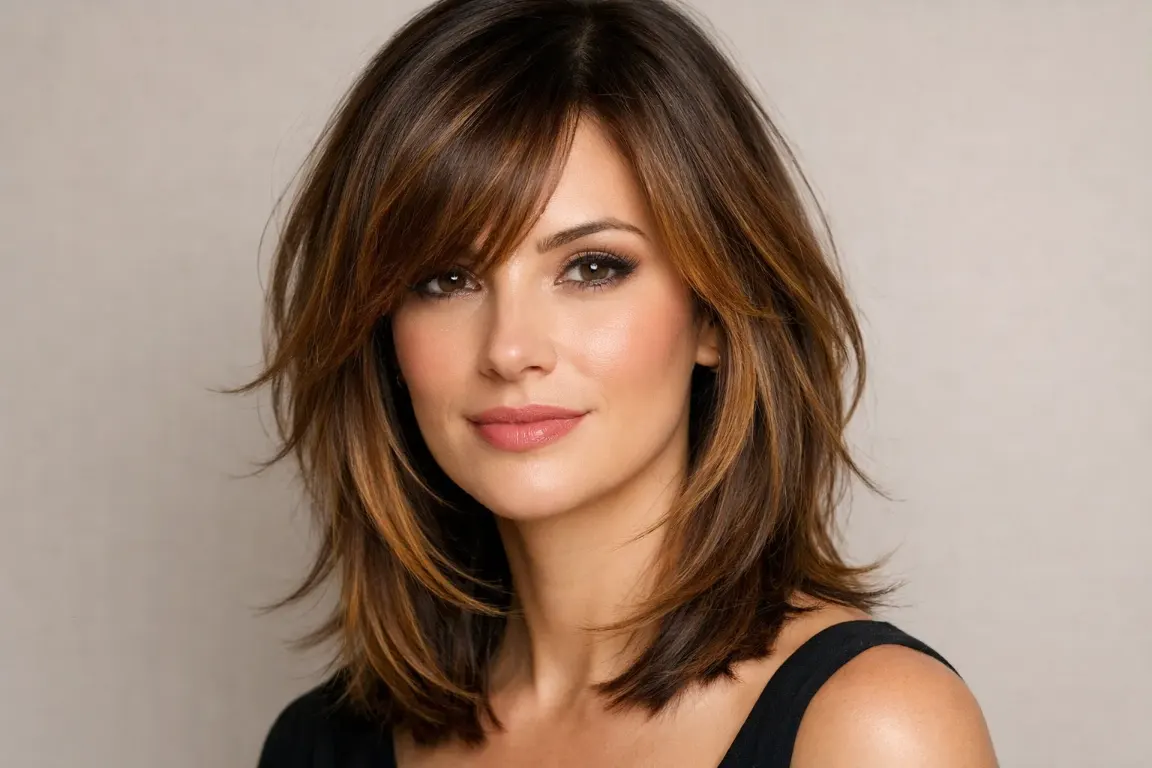
Color placement can amplify the visual effect of layering significantly. Warm amber highlights around the face subtly brighten the complexion and add dimension, while graduated layers enhance the hair’s natural texture and volume, making this a versatile choice for various skin tones. The combination of dimensional color and layered structure makes fine hair look considerably denser.
14. The Classic Long Layered Cut with Side-Swept Bangs
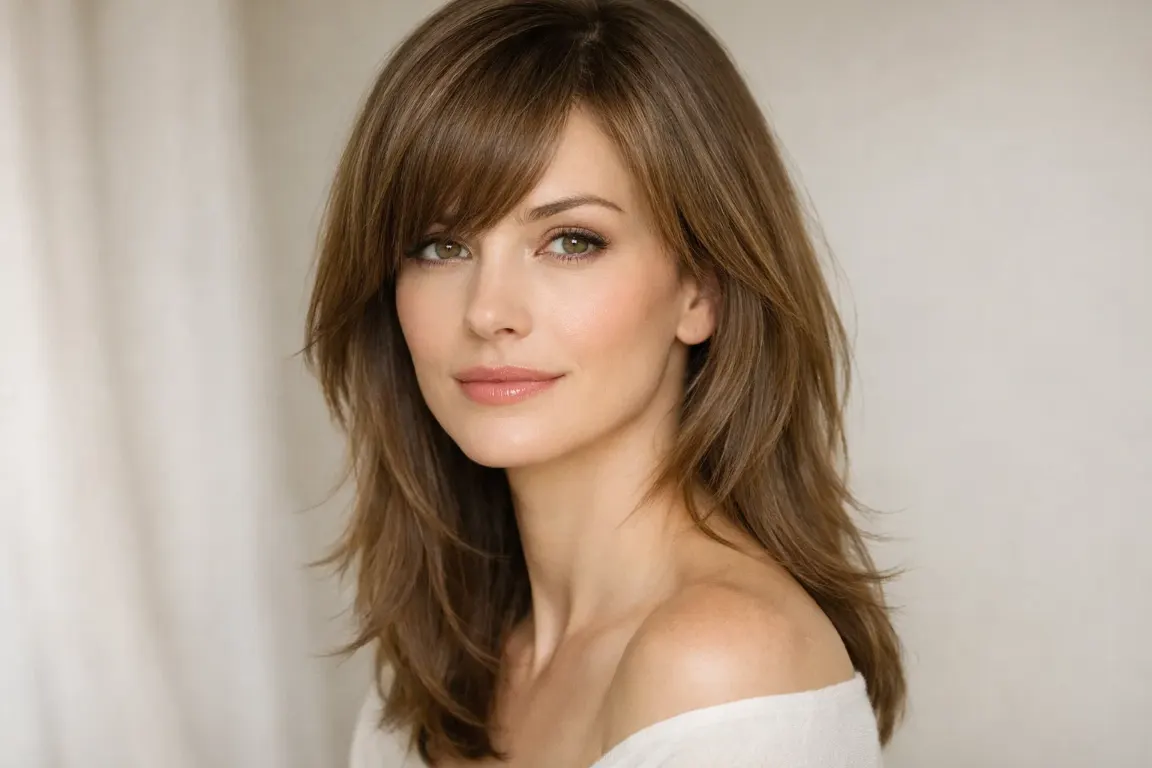
A classic long layered cut with subtle side-swept bangs that blend seamlessly into face-framing layers adds graceful shape and lightness without losing length. It is a go-to choice for elongating rounder faces, though it benefits from intentional styling at the crown to maintain volume.
How to Maintain Your Layered Style at Home
The cut is only half the equation. Fine hair needs a consistent home routine to keep layered styles looking their best. Product choice is everything when it comes to styling fine hair. Lightweight formulas are key, think texturizing sprays, mousses, and volume-boosting foams that define layers without weighing hair down.
Additionally, short fine hairstyles look their best when the shape is sharp and the ends are healthy, which means booking a trim every four to six weeks to maintain structure and prevent split ends from traveling up the hair shaft. The same principle applies to medium and longer layered styles.
What to Tell Your Stylist
Before sitting in the chair, have a clear conversation about your specific goals. If your hair feels flat, communicate that you want more lift at the roots. If it is too heavy, mention that you want texture around the ends. Bringing two or three reference images of the styles that appeal to you removes guesswork and helps your stylist customize the cut to your density, texture, and lifestyle.
Conclusion
Thin, fine hair is not a limitation. It is simply a hair type that responds better to certain structural approaches than others. The 14 layered haircut ideas for 2026 outlined here all share a common principle: precision over volume, and movement over density. Whether you gravitate toward the short drama of a stacked bob or the flowing ease of long feathered layers, the right cut places weight where you need it and removes it where you do not. Work with a stylist who understands fine hair, be clear about your daily styling capacity, and let the structure of a well-executed layered cut do the heavy lifting for you.
Frequently Asked Questions
Q1. Are layers good for thin fine hair?
Yes, when done correctly. Strategic layers add movement, lift, and the appearance of thickness. The key is avoiding excessive thinning, which can make fine hair look even more sparse. Soft, internal layers work best.
Q2. What length is most flattering for thin fine hair in 2026?
The collarbone to shoulder length is consistently the most flattering range. It is short enough to prevent gravity from pulling fine strands flat, but long enough to allow layering and styling versatility.
Q3. Should I get curtain bangs if I have thin hair?
Curtain bangs are an excellent choice for fine hair because they are lightweight, blend naturally into layers, and frame the face without adding bulk. Avoid heavy, blunt fringes, which tend to weigh fine strands down.
Q4. How often should I trim layered fine hair?
Every four to six weeks is the recommended timeframe for shorter layered styles. Medium to longer layered cuts can go six to eight weeks between trims, provided the ends remain healthy and the layers hold their shape.
Q5. What products work best for maintaining layered fine hair?
Lightweight texturizing sprays, volumizing mousses, and dry shampoos are the most effective tools. Avoid heavy serums or thick oils, as these coat fine strands and eliminate the lift that layering creates.
1 Comment